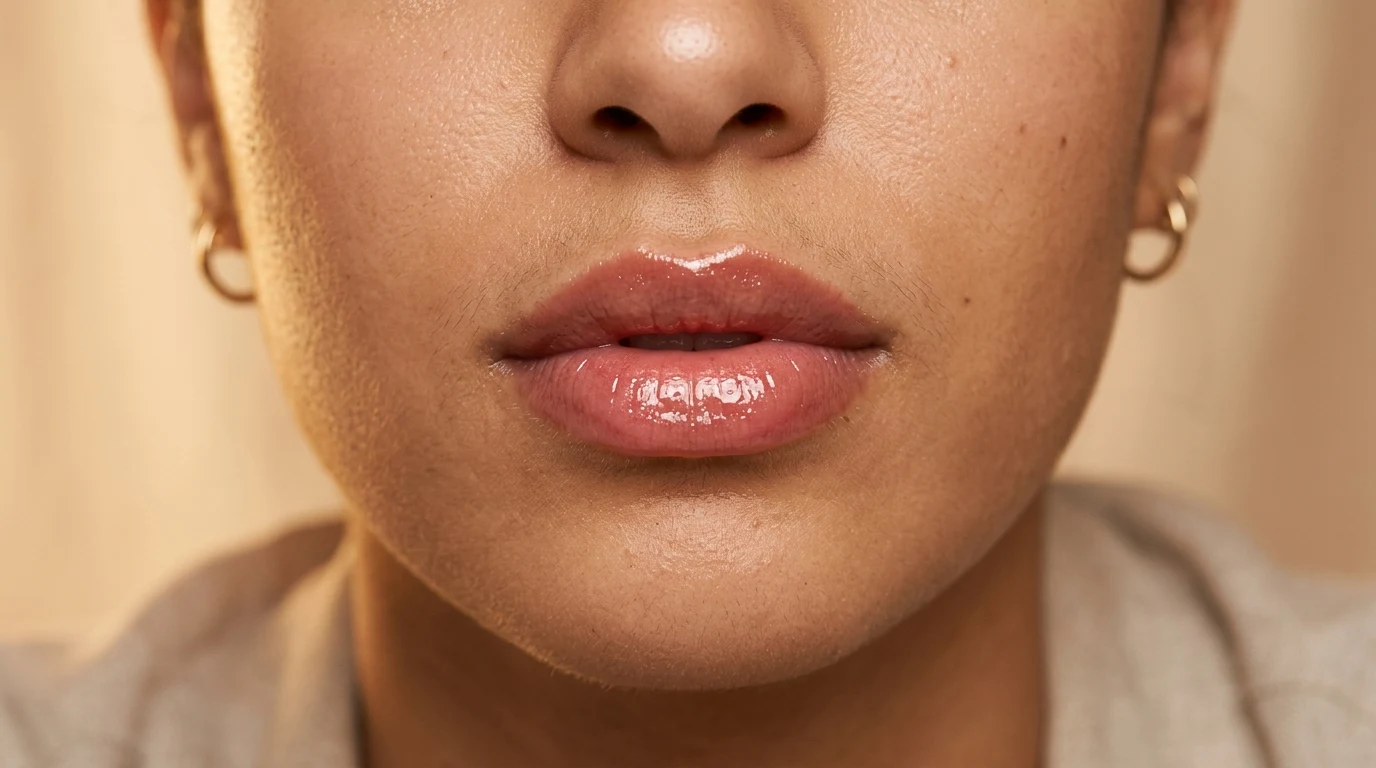
Lips are the most vulnerable area of the face: their skin is 3 to 5 times thinner than the rest of the face, with no sebaceous glands to moisturise them naturally. In Moroccan summers, sun and heat dehydrate them. In winter, dry winds and cold crack them. The result: most women in Morocco suffer from dry lips without knowing how to treat them durably.
Why lips dry out faster in Morocco
Several Moroccan factors worsen lip dryness. The semi-arid climate of many regions (Marrakech, Meknes, pre-Saharan areas) maintains low atmospheric humidity. Frequent hot tea consumption dries out mucous membranes. Intense sun photo-degrades lip skin lipids. Finally, the habit of licking lips — a natural reflex when dry — paradoxically worsens the problem, as saliva evaporating carries away residual moisture.
Ingredients that genuinely work for lips
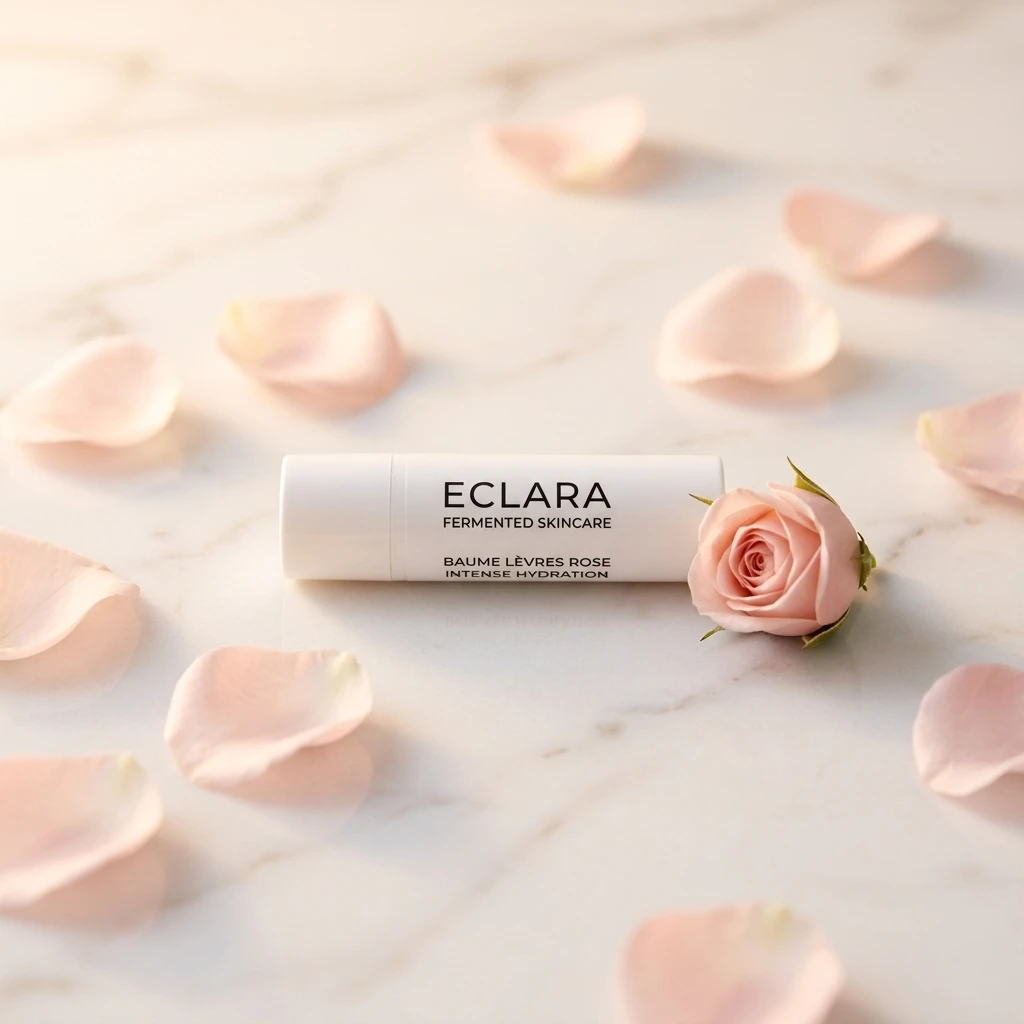
Not all balms are equal. The most effective ingredients: shea butter (occlusion and repair), beeswax (forms a protective barrier), rosehip oil (cell regeneration), vitamin E (repairing antioxidant) and glycerine (humectant that attracts water). Avoid balms with camphor or menthol — they give immediate freshness but dry over the long term. Eclara's Rose Lip Balm combines these natural actives in a formula that hydrates and protects durably.
Morning & evening lip routine
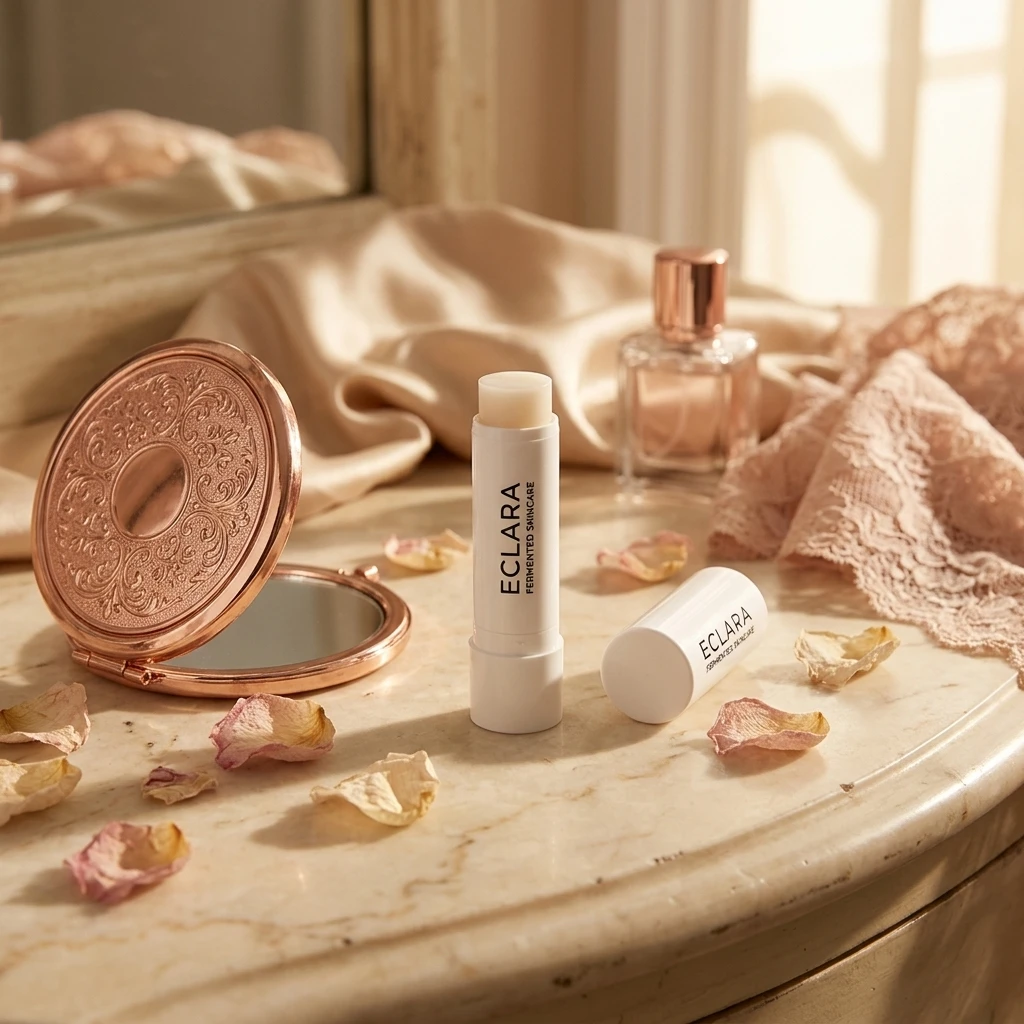
Morning: gently exfoliate your lips 1-2 times a week with a damp soft toothbrush or a honey + sugar mix. Rinse, then apply a generous layer of balm. Evening: apply a thick layer of balm before sleep — it's your overnight lip mask. Night is when skin regenerates best. One to two weeks of regular nighttime application transforms chapped lips.
Habits that worsen dryness
Licking lips: worsens dryness (see above). Biting or picking dead skin: creates micro-wounds that delay healing. Mouth breathing (allergy, cold): directly dehydrates lips. Using matte long-wear lipstick without balm underneath: heavily pigmented formulas are often drying. Applying balm on unclean lips: food residue and pollution create a layer that prevents penetration.
Nutrition and hydration for plump lips
The state of your lips often reflects your body's overall hydration. Drinking at least 1.5L of water daily is the foundation. Deficiencies in vitamins B2, B12 and iron often manifest as cracked lip corners — if the problem recurs despite a good routine, consider a blood test. Foods rich in omega-3 fatty acids (sardines, walnuts, flaxseeds) nourish the skin from within, including the lips.